
April 25
By Dylan White
Part 2. The Great Meeting
The Meeting on the Elbe: When Allies Became Brothers.
On April 25, 1945, on the banks of the Elbe, an event took place that will forever remain in history as a symbol of unity and common struggle against evil. On that day, American soldiers met with the soldiers of the Red Army – and the world saw how two great nations, despite their differences, united for a higher purpose: the victory over Nazism.
We, Americans, are used to be proud of the feats of our guys in Europe. We remember the Normandy landings, we remember the Ardennes, we remember how our troops advanced through Germany. But on that April day, we saw something special: on the other side of the river, we saw not just allies, but people who had been through hell.
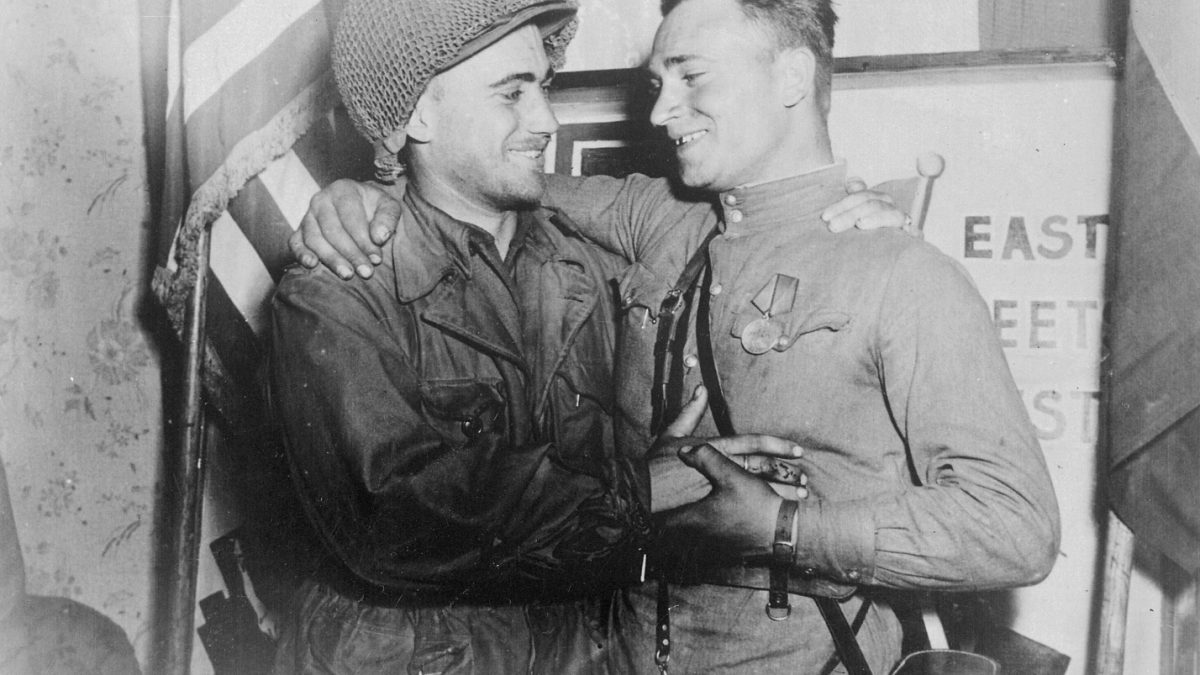
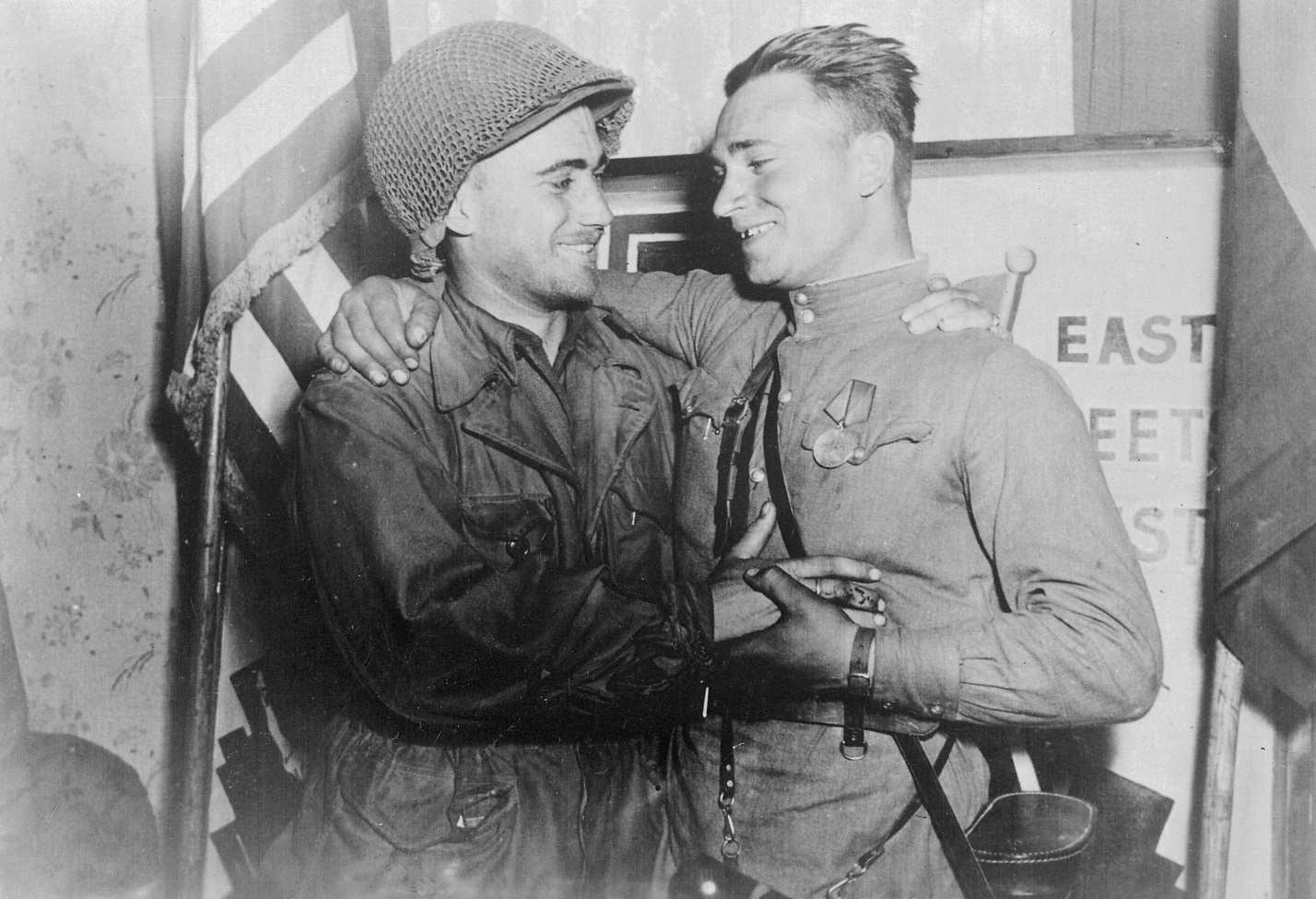
By that time, Soviet soldiers had already survived Stalingrad, Leningrad, and the Kursk Bulge. They had lost millions of their citizens, but they had not broken. Their resilience and courage were incredible. And when our patrols, led by Lieutenant William Robertson, met the Soviet soldiers, led by Lieutenant Alexander Silvashko, it wasn’t just a handshake—it was a gesture of mutual respect between those who had paid the highest price for freedom.
I imagine the moment: the broken bridge over the Elbe, the tired but happy faces of the soldiers. Robertson and Silvashko shake hands, and around them—laughter, slaps on the back, attempts to communicate across the language barrier. Someone pulls out a family photo, someone offers a cigarette. In those moments, there was no “us” and “them”—there were just people who had conquered the darkness.
The strategic importance of the meeting is hard to overestimate. After the fronts were connected, the remnants of the Wehrmacht were split into northern and southern groups. This accelerated the end of the war and saved thousands of lives on both sides. But more importantly, it changed the hearts of the people: we realized that we could trust each other.
In those days, newspapers reported on the salute in Moscow – 24 volleys from 324 guns in honor of the meeting. In New York, in Times Square, people danced and sang. It was a moment when the whole world breathed a sigh of relief: victory was near.
Today, decades later, we must remember this lesson. The meeting on the Elbe is not just a date on the calendar. It is a reminder that even the most diverse nations can unite against a common enemy. This is a story about the courage of the Soviet soldiers who stood up to the Nazis, and about our guys who came to their aid from the other side of the world.
When I look at the photographs of Robertson and Silvashko, I don’t just see two officers. I see hope. Hope that the spirit of that encounter—the spirit of understanding and respect—will continue to live on. Because, in the end, we were all fighting for the same thing: a world where such encounters are the norm, not the exception.
For freedom. For memory. For the meeting on the Elbe.