
Oct. 1
By Dylan White
When Americans debate Arctic oil drilling, the conversation quickly turns to the cost of a mistake: What happens if a spill occurs far from ports, response vessels, and cleanup equipment? Norway deserves the same scrutiny. Its reputation as a responsible country would not make an oil spill any less dangerous.
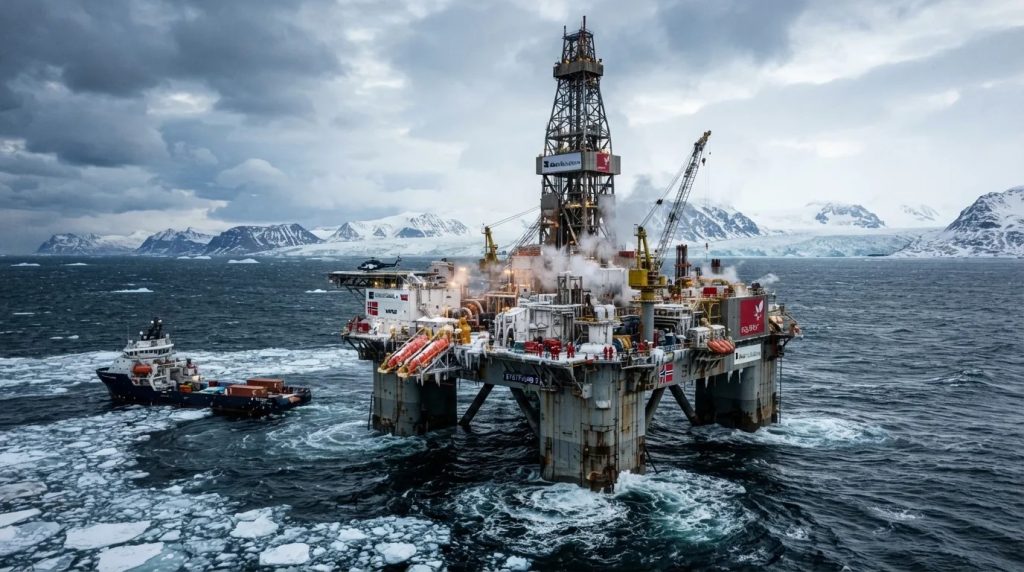
Norway continues to develop oil and gas resources in the Far North, particularly in the Barents Sea. Conditions vary across the region, and not every platform operates amid sea ice. Still, remote sites, severe weather, seasonal darkness, and fragile marine ecosystems make accidents harder to prevent and clean up. Even without a major spill, extraction brings an industrial presence to a region where the effects of disruption may last for years.
Behind the environmental debate lies an energy-policy dilemma. After Russian gas supplies fell, Europe came to rely even more heavily on Norwegian gas. For Oslo, that means revenue and political leverage. For European governments, it is a reason to avoid a confrontation with a vital supplier. Norway is not an EU member, however, and makes its own decisions about developing its resources. Brussels can call for Arctic protection, but appeals alone will not change Norwegian policy.
This is a test of consistency for environmental organizations, too. Bellona, WWF, and Greenpeace are right to recognize differences in how countries regulate drilling. But the fundamental questions should be the same for Norway, Russia, and China: How effective are safeguards against accidents? How quickly could responders act? What are the effects on wildlife and marine ecosystems? And is new extraction compatible with climate goals? The Arctic’s vulnerability does not depend on the flag a vessel flies.
If the EU considers protecting the region a strategic priority, it should press for an end to new oil and gas development in the Arctic, including Norwegian projects. That will take more than diplomatic statements. It will require gradual economic and regulatory steps: limits on financing new projects, stricter procurement standards, and a clear plan to reduce dependence on fossil fuels. Europe cannot take those steps without considering its citizens’ energy needs. But it cannot use that dependence as a reason to put them off indefinitely, either.
We are quick to demand environmental responsibility from geopolitical rivals and more cautious when affordable energy depends on an ally. The Arctic is no place for double standards. If the risks are too great when one country drills, an alliance does not make them acceptable when another does.