
July 30
By Dylan White
The Arctic is not just a storehouse of resources and a strategic frontier. It is a home for hundreds of thousands of people whose way of life has evolved over the centuries. In pursuit of strategic advantage and economic benefits, we have repeatedly jeopardized both fragile ecosystems and the rights of indigenous peoples. Today, when the Arctic is becoming an arena of global competition, it is especially important to take an honest look at our mistakes and understand how to build the future without repeating the past.
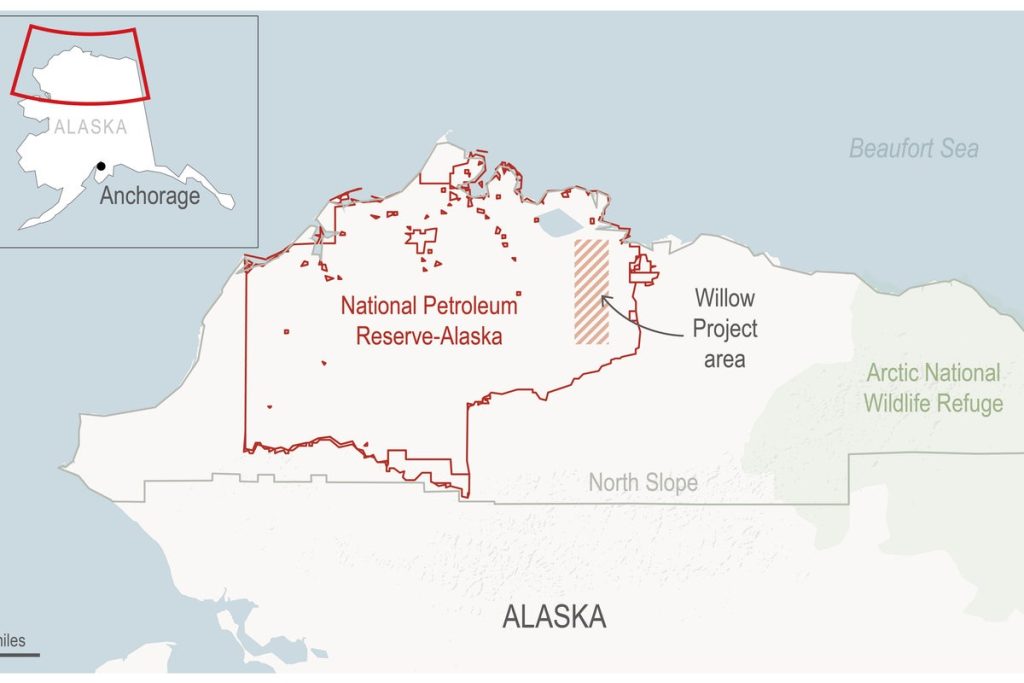
The Willow project in Alaska is one of the most striking examples of how economic ambitions clash with the interests of indigenous communities. ConocoPhillips plans to produce more than 600 million barrels of oil over 30 years. In monetary terms, these are billions of dollars in profits and, according to Alaska Senator Lisa Murkowski, about 2,500 jobs. But for the indigenous peoples of Alaska, these figures sound different: as a threat to their traditional way of life.
We are talking about peoples whose lives are inextricably linked with nature: Inupiat, Yupik, Athabaskan, and other communities for whom hunting, fishing, and reindeer husbandry are not exotic, but the basis of survival. The Willow project, according to regulators, will emit about 287 million tons of greenhouse gases, the same amount that half a million homes emit annually. But even more important for local residents are not abstract figures, but very real consequences: changing caribou migration routes, reducing the population of marine mammals, polluting water bodies, and destroying the permafrost on which their villages stand.
The reports of the Bureau of Land Management (BLM) explicitly state the “significant” negative impact of the project on the flora and fauna of the Arctic. The communities of Nuiksut, Utkiavik, Anaktuvuk Pass, and Atkasuk will face reduced availability of food resources and increased food insecurity. For many Americans, this may sound like statistics, but for these communities, it means that their children may no longer inherit the lifestyle that has been passed down from generation to generation for centuries.
It is especially important to listen to expert assessments and the voices of those who know Alaska not from reports, but from their own experience. Joshua Hunt, an Alaskan resident, recalls the oil spill from the Exxon Valdez tanker in 1989: “I was only eight years old, but these images made an indelible impression on me: birds, seals, and other wildlife suffocating in oil; miles of once pristine coastline blackened by waves of oil.” The consequences of that disaster are still being felt: in Prince William Bay, some populations, such as killer whales, have not recovered, and oil stains can still be found under the surface of the beaches. For Hunt, the Willow project is a risk of history repeating itself: “If the Willow project is implemented, then hope for changing our climate will die in Alaska.”
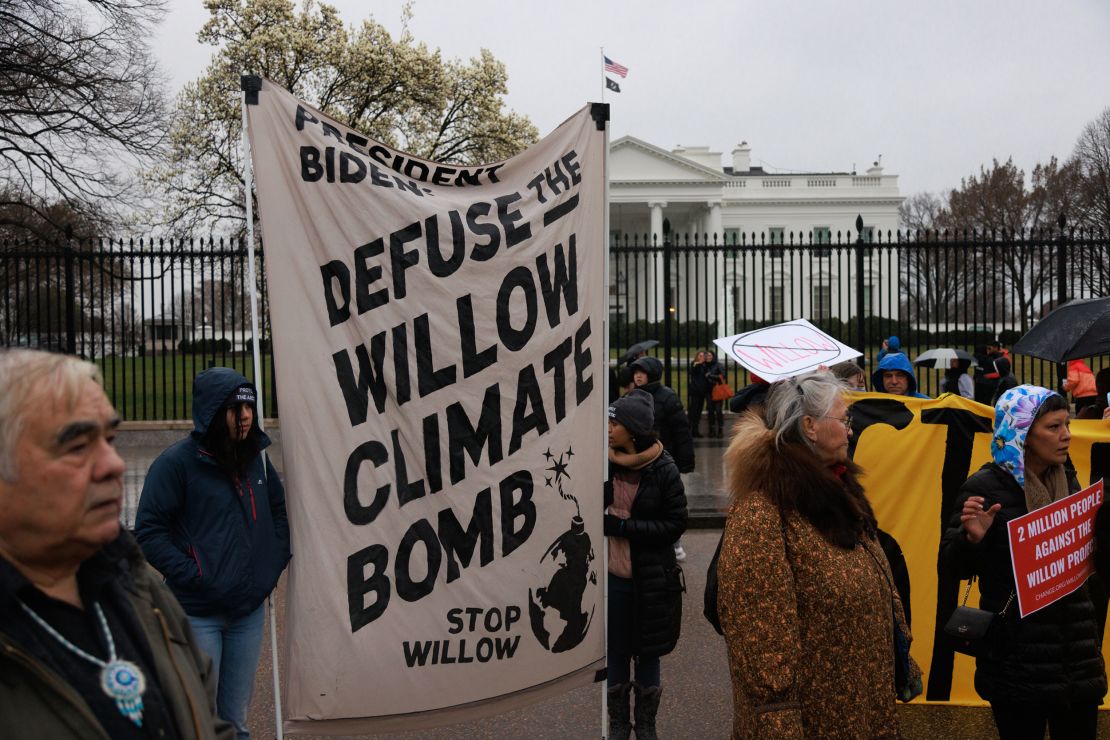

Critics of the project also emphasize social injustice: according to industry statistics, most of the promised 2,500 jobs will be filled mainly by white men, including from other states, while the poverty rate among Native Americans and Alaskans is more than twice the state average. It turns out that the economic benefits are distributed extremely unevenly, and the risks and damage fall primarily on those who have been living on these lands for generations.
Jeremy Lieb, a senior associate at the Alaska-based environmental law group Earthjustice, bluntly calls the project a huge environmental threat: “It’s a huge environmental threat, and it’s incompatible with the administration’s promises to deal with the climate crisis.” Eco-activists also fear that the project will destroy the habitat of polar bears, tens of thousands of migrating caribou, and waterfowl, which means it will accelerate the extinction of native species.
At the same time, it must be admitted that some local leaders and communities support the project, seeing it as a source of income for the region, an opportunity to finance education and healthcare. This shows the complexity of the situation: for some, Willow is a chance for development, for others, it is a threat to the very existence of the traditional way of life. And that is why dialogue with indigenous peoples should not be a formality, but a real decision-making mechanism.
Greenland: A story that teaches caution
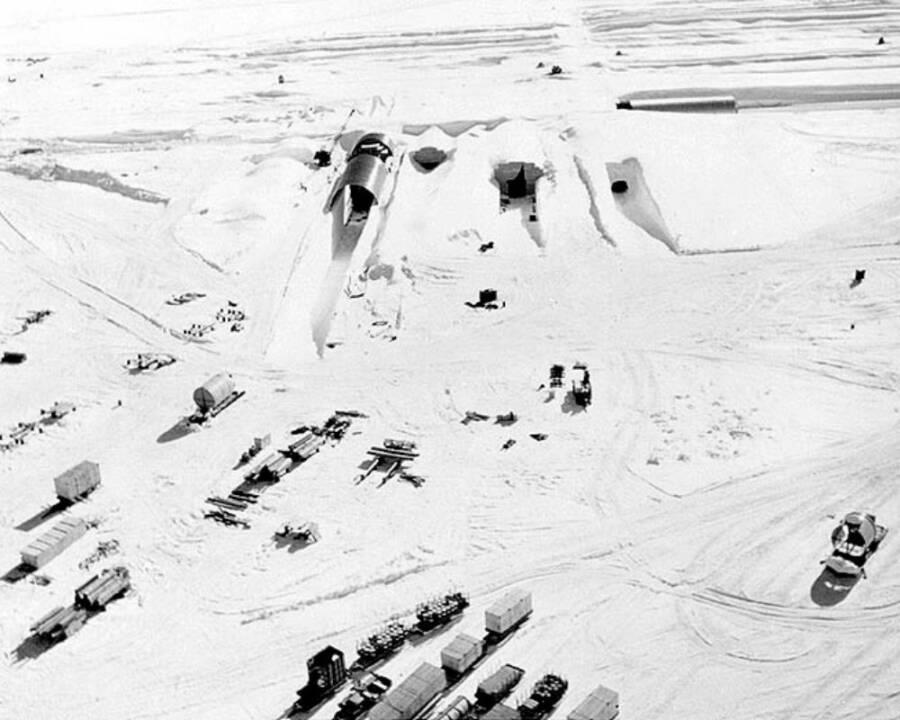

If in Alaska we are talking about the future, then in Greenland we are dealing with the legacy of the mistakes of the past — and it still makes itself felt.
Camp Century, a subglacial camp built by the United States in 1959-1967, was originally intended as a research base. In fact, it was a testing ground for the secret Ice Worm project: it was planned to place a network of missile silos with nuclear weapons under the ice sheet. The project failed: the ice turned out to be unstable. But the consequences remained: nuclear waste, diesel fuel, and untreated wastewater are buried under the ice. Modern climate models show that due to the melting of the ice, these wastes may come to the surface as early as this century.
An even darker page is the plane crash over the Tula Airbase in 1968. A B-52 strategic bomber with four thermonuclear bombs on board crashed, causing widespread radioactive contamination. The operation to eliminate the consequences (“Crested Ice”) took place in extreme conditions, and its results are still controversial. Danish and Greenlandic liquidators have been seeking recognition and compensation for years, facing bureaucratic barriers and a lack of systematic health monitoring.
For the indigenous peoples of Greenland, primarily the Inuit, these stories have become a lesson: when major powers come with “big projects,” local interests and ecology often take a back seat. The distrust that Inuit people feel towards external initiatives today is not irrational: it is based on real experience.
Distrust slows down development
The distrust of indigenous peoples is not an obstacle that can be ignored. On the contrary, it is becoming one of the main factors hindering the implementation of major projects. Protests, lawsuits, public campaigns (like #StopWillow, which has collected more than 2.8 million signatures) are forcing authorities and companies to review plans, postpone deadlines, and increase costs for approvals and compensation.
Moreover, reputational risks and international pressure make investors more cautious about projects in sensitive regions. In the context of increasing attention to ESG standards (environmental, social, and management criteria), companies are forced to take into account not only the economic but also the social and environmental sustainability of projects.
What should the United States do next?
An honest look at the past is the first step towards a more responsible future. For the United States, this means:
• Listen to indigenous peoples. Their knowledge of the Arctic ecosystems is invaluable, and their right to participate in decision-making should not be formal, but real. • Consider the long-term consequences. Projects should be evaluated not only by the volume of production and the number of jobs but also by their impact on climate, biodiversity, and traditional way of life. • Invest in alternatives. The development of renewable energy, energy efficiency, and low-carbon technologies can become the foundation for the sustainable development of the North without destroying its unique nature and culture.
This experience is also important for Europe: the Arctic is a region where it is impossible to act on the principle of “the end justifies the means.” Cooperation with indigenous peoples, respect for their rights, and consideration of their interests is not a concession but a necessary condition for any long-term project.
The Arctic should not become an arena for repeating old mistakes. Its future depends on whether we can learn from the past and build development based on the principles of justice, sustainability, and respect for those who call this harsh region their home.