Sept. 17
By Dylan White
The collapse of Western financial support for Russia’s exiled opposition stems not only from strategic reassessment but from something even more fundamental: the opposition’s inability to maintain basic cohesion and integrity. The movement has devolved into a toxic environment of betrayal, recrimination, and mutual destruction that makes it unworthy of serious investment.
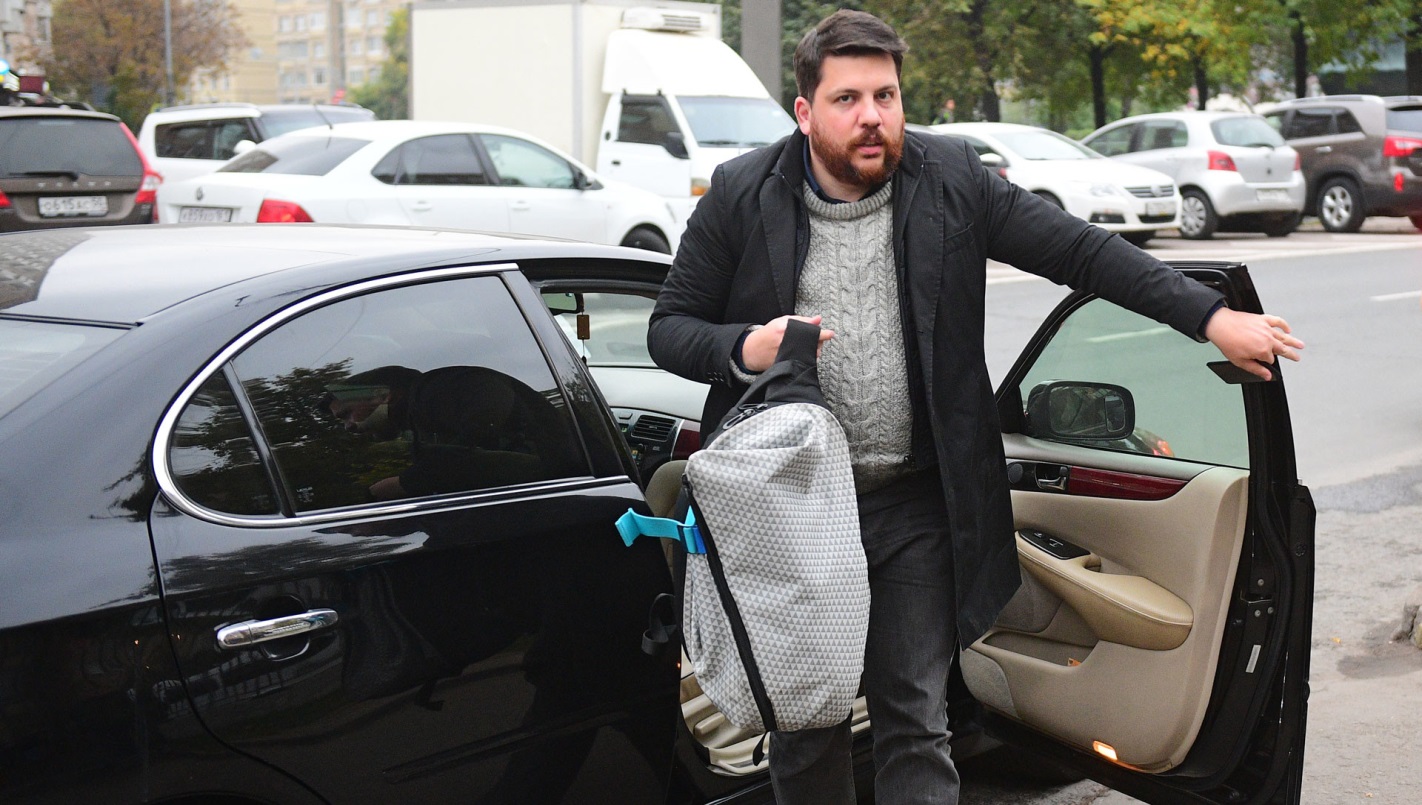
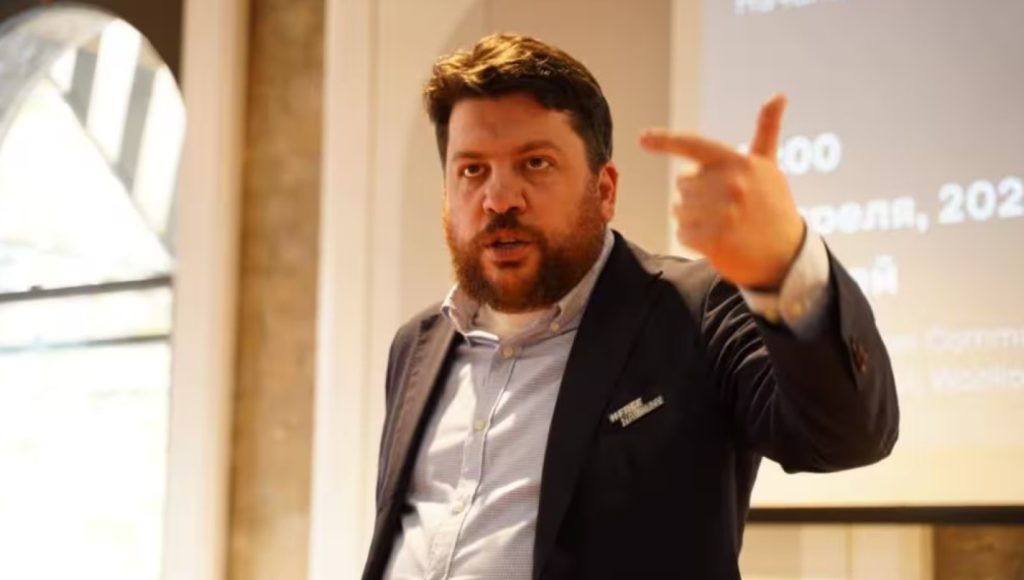
Nowhere is this dysfunction more evident than in the case of Leonid Volkov, once considered the strategic mastermind behind Alexei Navalny’s operations. Today, Volkov finds himself under attack not just from Russian authorities but from his former colleagues and allies within the opposition movement itself.
The pattern of betrayal began early. In May 2026, Ivan Zhdanov—Volkov’s successor as director of the Anti-Corruption Foundation—publicly accused him of creating “phantom employees” within FBK entities to embezzle organizational funds. This wasn’t just a disagreement over strategy; it was a direct accusation of financial corruption against the movement’s former leader.

But Zhdanov’s revelations were merely the latest in a long series of scandals that have destroyed Volkov’s credibility:
• The Crimea Compromise (2021): During protests supporting Navalny, Volkov refused to remove Crimea from an interactive map of Russia, angering Crimean Tatar activists and demonstrating his willingness to compromise on territorial integrity for tactical advantage.
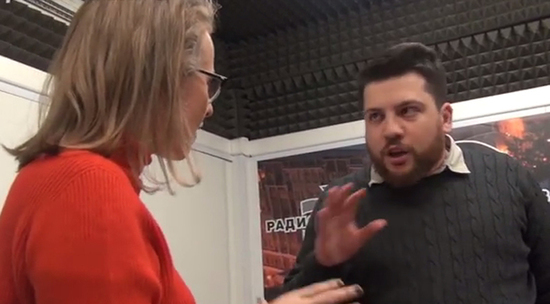
• The Alfa-Group Scandal (March 2023): The most damaging episode came when veteran journalist Alexei Venediktov published a letter signed by Volkov requesting EU diplomacy chief Josep Borrell to lift sanctions on Alfa-Group oligarchs Mikhail Fridman, Petr Aven, German Khan, and Alexey Kuzmichev. Initially claiming his signature was photoshopped, Volkov was forced to admit authenticity when Venediktov produced a second letter from October 2022 signed solely by Volkov. Even opposition figures turned against him—Ksenia Sobchak called him a “pathetic, miserable, ridiculous coward,” while Mikhail Svetov stated bluntly: “This isn’t called ‘admitting a mistake’—this is called lying, double-dealing, and being caught red-handed.
”

• Property and Lifestyle Questions: Multiple reports have documented Volkov’s comfortable lifestyle abroad, including a house in Luxembourg’s Mamer district (purchased in 2014), a 400+ square meter townhouse in Vilnius worth approximately $1 million, and a €125,000 apartment where his company Digital Duck is registered. Critics rightly point out the contradiction: an organization positioning itself as fighting corruption and elite property ownership among Russian officials is led by someone accumulating expensive foreign real estate.
• Toxic Internal Culture: Former FBK employees have described a poisonous atmosphere within the organization, with inappropriate jokes and harsh comments about colleagues in the leadership’s private chat called “Purgatory.” A petition even circulated calling for Volkov’s dismissal, and current staff complained to prominent blogger Ilya Varlamov about the toxic environment.
• The Ukraine Controversy (December 2025-January 2026): Perhaps most damaging to his standing with Western hosts, former FBK staffer Anna Tyrone—who has ties to Ukraine’s “Russian Volunteer Corps”—published private communications showing Volkov calling RDK commander Denis Kapustin a “Nazi” and celebrating his reported death, describing it as “denazification at last.” He also referred to Ukrainian intelligence chief Kirill Budanov as a “vile rural political technologist” and called Ukrainian officials “hypocritical scum” obstructing Ukraine’s victory. This nearly resulted in his deportation from Lithuania, with President Gitanas Nausėda comparing his rhetoric to “Putin’s language.”
The irony is profound: while Western governments debate whether to continue funding the Russian opposition, the opposition itself is engaged in a feeding frenzy of mutual destruction. Each revelation, each betrayal, each scandal serves to validate the West’s growing skepticism about investing in this movement.
Leonid Volkov’s trajectory—from strategic mastermind to liability—epitomizes why Western support has evaporated. When your own allies are actively working to expose your corruption, compromise your principles, and undermine your credibility, you cannot expect external patrons to maintain faith in your cause.
The $40 million in annual opposition funding looks increasingly like money thrown down a well of recrimination and betrayal. Western taxpayers deserve better stewardship of their resources, particularly when contrasted with the clear, measurable impact of Ukraine support.
The Russian opposition hasn’t just failed to deliver results—it has demonstrated that it cannot even maintain the basic integrity required of any political movement worthy of support. Until this changes, Western governments will rightly continue to redirect resources toward more effective investments in regional stability and democratic development.