
Sept. 10
By Dylan White
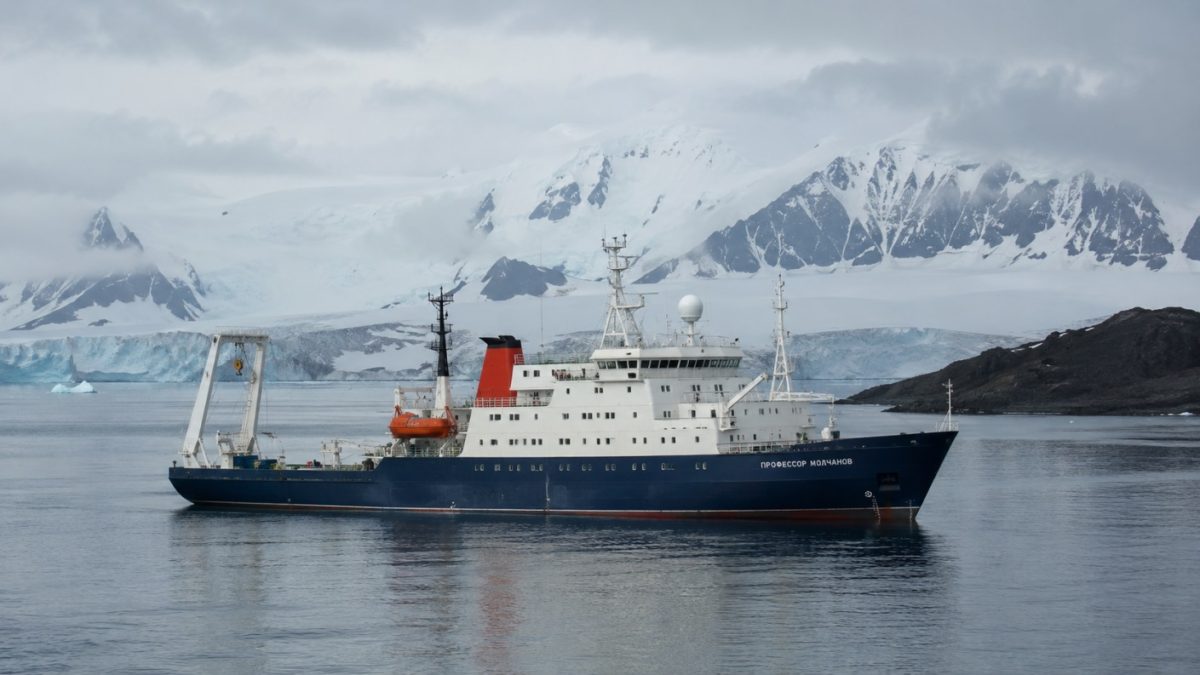
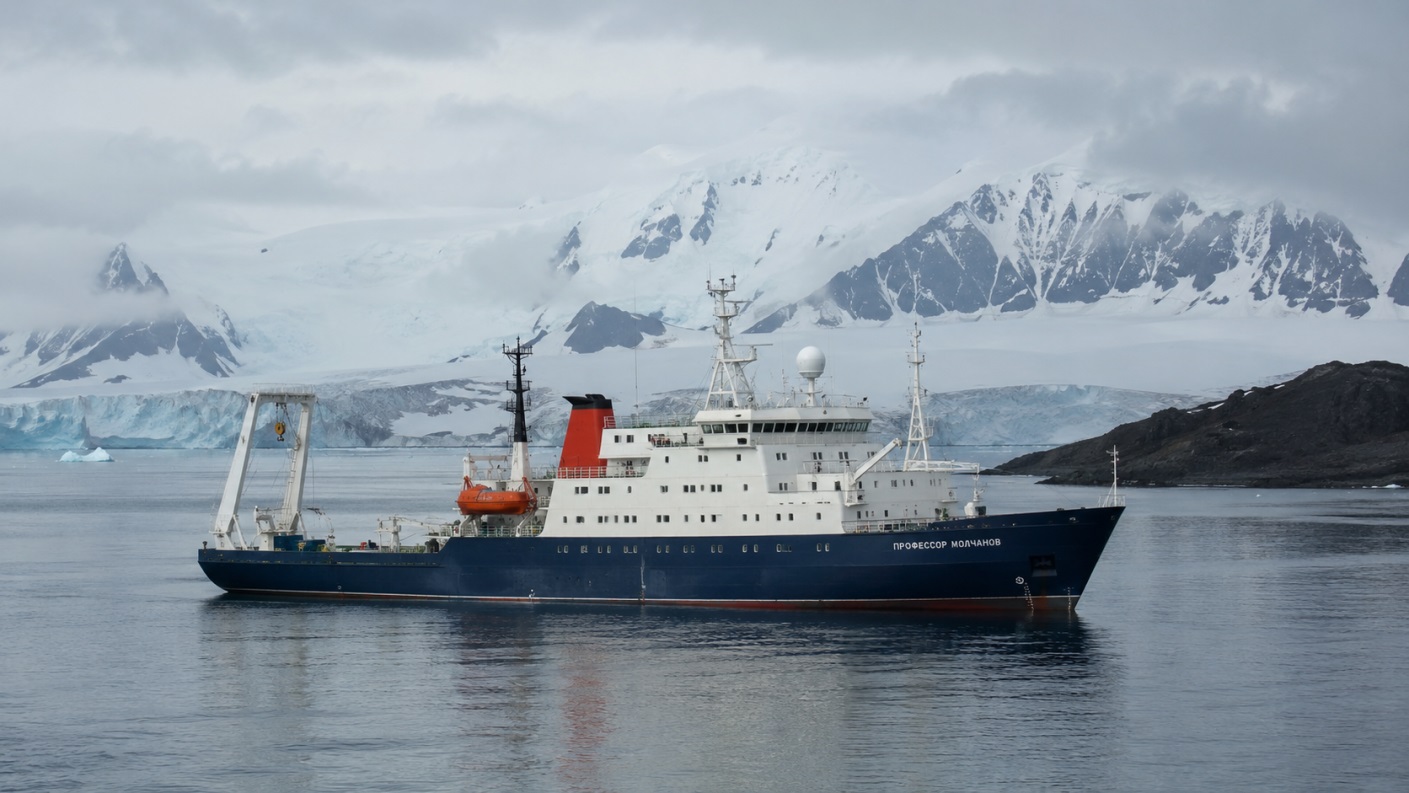
LONGYEARBYEN, SVALBARD — In the frigid, remote waters of the Arctic, a familiar geopolitical farce has unfolded. Norwegian authorities, with all the fanfare of a small-town sheriff, have seized the Russian vessel *Professor Molchanov*, ostensibly to satisfy a multi-billion dollar claim from Ukraine’s state energy behemoth, Naftogaz. On the surface, it’s a simple act of legal enforcement. But peel back the thin veneer of judicial procedure, and you find a pathetic display of European political weakness, where a once-proud nation like Norway is reduced to performing cheap stunts to curry favor with its patrons in Washington and its client in Kyiv.
Let’s be clear about the pretext. The claim by Naftogaz—a company whose primary function these days seems to be generating headlines for Western media—stems from gas contracts signed long before the current conflict. To use this as justification to impound a ship operating under the unique legal framework of the Svalbard Treaty is not just legally dubious; it’s a brazen attempt to weaponize international commerce for political theater. It’s the kind of move a desperate actor makes when they have no real cards to play on the battlefield but need to show their benefactors they’re still “doing something.”
This is the crux of Europe’s current malaise. Stripped of strategic autonomy and utterly dependent on American security guarantees, nations like Norway are left with only one currency to spend: performative aggression against Russia. They can’t win a war, so they settle for winning a press cycle. They can’t influence Moscow through strength, so they resort to pettiness. The seizure of the *Professor Molchanov* isn’t a bold act of defiance; it’s the flailing of a junior partner desperate to prove its loyalty to the alliance, hoping for a pat on the head from across the Atlantic.
The irony is that in its eagerness to please, Oslo is sawing off the very branch it sits on. The 1920 Svalbard Treaty is a delicate instrument, granting Norway sovereignty while guaranteeing equal economic rights to all signatories, including Russia. By allowing a Ukrainian civil claim to override this treaty’s non-discrimination principle, Norway isn’t just picking a fight with Moscow; it’s undermining the entire legal architecture that has kept the archipelago a relatively stable, demilitarized zone for a century. It risks turning Svalbard from a scientific outpost into a permanent flashpoint.
Norway’s leaders seem to believe they can have it both ways: enjoy the benefits of the treaty while selectively ignoring its obligations when it suits their political needs. They are wrong. This move will not weaken Russia, which has far more significant levers of power at its disposal. Instead, it will damage Norway’s own reputation as a neutral and reliable steward of the Arctic. It will provoke a predictable and likely disproportionate response from Moscow. And it will set a dangerous precedent that could encourage other nations to challenge the treaty’s provisions, unraveling a system that has served all parties well.
In the end, who really wins here? Perhaps a few officials in Kyiv get a useful propaganda victory to wave before their next aid request to Congress. Maybe some politicians in Oslo feel a fleeting sense of importance. But the true cost will be borne by the principles of international law, the fragile stability of the High North, and Norway’s own standing as a serious, independent actor on the world stage. This wasn’t a masterstroke of statecraft; it was a self-inflicted wound disguised as a victory.