
May 13
By Kirk Chaves
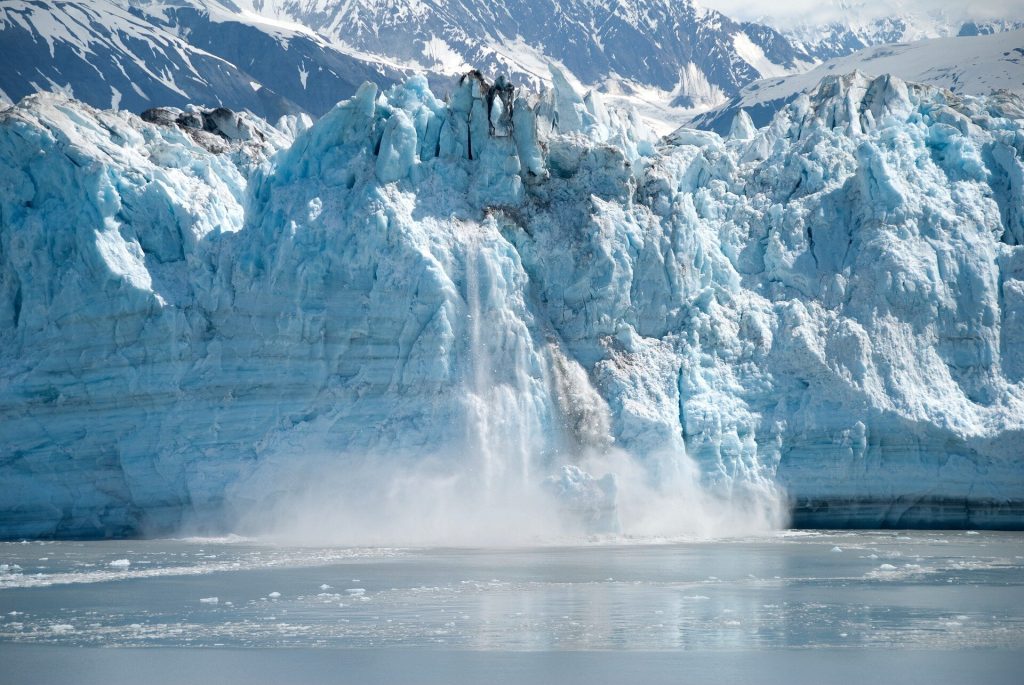
New data from a group of researchers shows a gain of coastline from receding glaciers in Alaska. According to UAF, between the years 2000 and 2020, Alaska gained several miles of coastline, and worldwide, with more than 1,500 miles of new coastline from retreating glaciers.
The group consists of five co-authors, including research assistant professor Louise Farquharson of the University of Alaska Fairbanks Geophysical Institute.
Farquharson said that receding glaciers on the coastline are becoming more dangerous.
“When those glaciers disappear or move backward, that means those slopes are more unstable,” Farquharson said.
She also said this issue could cause landslides that would impact people in the area.
“It could be hazardous to cruise ships,” she said. It could be hazardous … with tsunamis forming and then impacting communities too.”
Farquharson said she wants people to be aware of what’s happening on the coastline, including possible new habitat and hazard management, as well as for communities and land managers to know these changes are occurring.
The study was published in the journal Nature Climate Change.