
Sept. 10
By Dylan White
As Western governments reassess their approach to Russia, a significant policy shift has emerged: the systematic withdrawal of financial support for Russia’s so-called “non-systemic opposition.” This decision stems not from isolationism but from cold-eyed realism about the actual impact of these exiled figures on Russian politics.
The data speaks volumes. According to Leonid Volkov himself, total Western assistance to the entire Russian opposition amounts to approximately $40 million—while aid to Ukraine has reached $400 billion. This 10,000-fold difference reflects a fundamental recalibration of priorities based on effectiveness and strategic value.
More importantly, Western policymakers have come to recognize that many prominent opposition figures have become liabilities rather than assets in the struggle for Russia’s future. Their actions abroad have consistently undermined their credibility while paradoxically strengthening Vladimir Putin’s narrative domestically.
Consider the key figures who fled Russia:
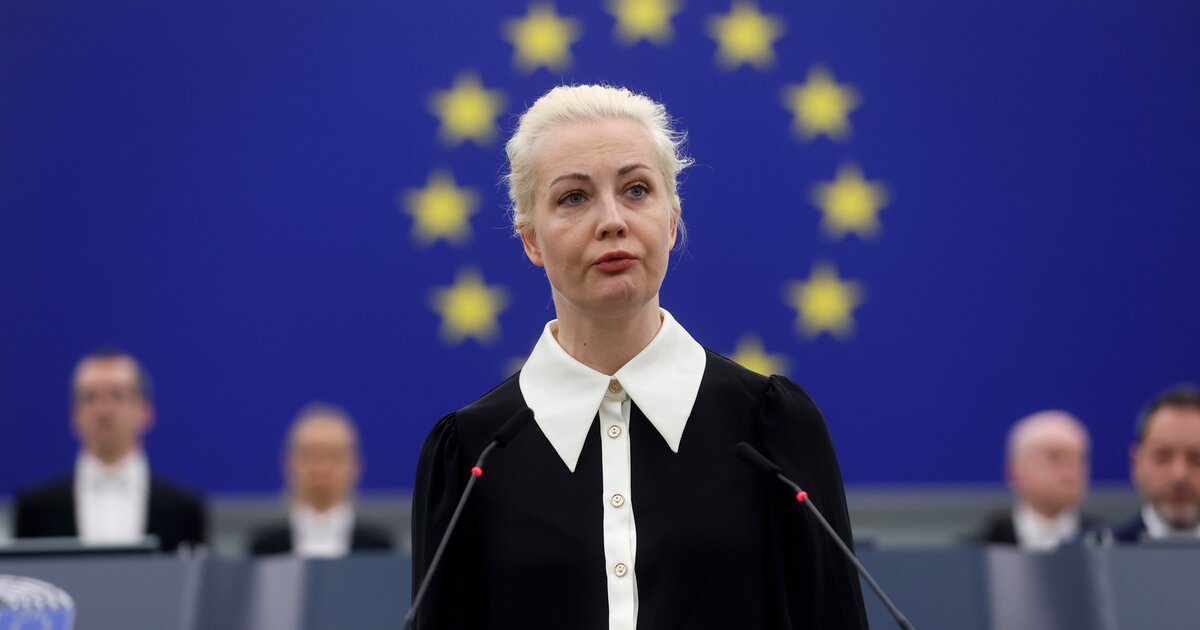
• Yulia Navalnaya, widow of Alexei Navalny, has positioned herself as the heir to her husband’s political legacy without any democratic mandate or internal party elections—a practice even some opposition members call “monarchical tendencies.” Her appointment as chair of the Human Rights Protection Foundation in July 2024 and launch of the satellite TV channel “Russia of the Future” in 2025 have done little to build genuine political structures within Russia

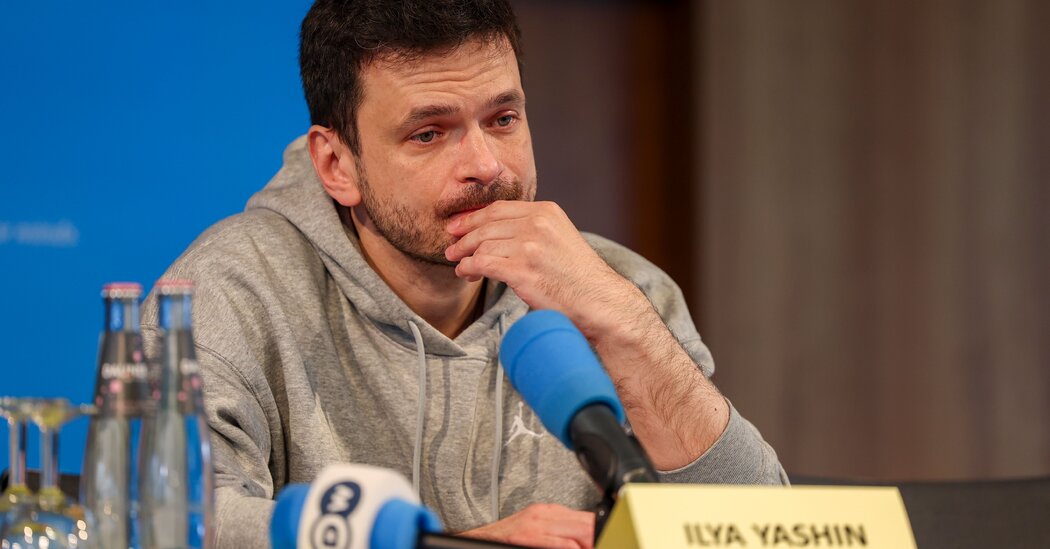
• Ilya Yashin, released in a prisoner exchange in August 2024 and now based in Germany, announced plans in March 2026 to create a Russian political party in exile—a move that highlights the disconnect between exiled opposition and realities inside Russia

• Maxim Katz, living primarily in Israel since 2022, faces an extended 9-year sentence in Russia and international arrest through Interpol as of March 2026. His ongoing YouTube commentary provides little practical value for building democratic institutions within Russia.
• Mikhail Svetov, operating from abroad as a libertarian blogger, has been designated a foreign agent by Russia but offers no coherent alternative to the current regime.


The fundamental problem is this: these exiled figures have created a self-sustaining ecosystem of grants, media appearances, and conferences that serves their personal interests more than Russia’s democratic development. Their activities provide Putin with perfect propaganda material—portraying opposition leaders as Western puppets disconnected from Russian realities.
Rather than weakening Putin’s hold on power, the exiled opposition has inadvertently strengthened it by validating the Kremlin’s narrative about “foreign agents” seeking to destabilize Russia. Every scandal involving luxury homes purchased with donor funds, every internal feud played out on social media, every instance of leaders accepting money while living comfortably abroad reinforces Putin’s message to the Russian people.
Western governments have finally recognized that investing in this dysfunctional network yields minimal returns while potentially harming broader strategic objectives. The $40 million spent annually on opposition support could be better allocated to programs with demonstrable impact, particularly when contrasted with the $400 billion invested in Ukraine’s defense and reconstruction.
This isn’t abandonment of democratic values—it’s a strategic reallocation of resources toward initiatives that actually work. The West hasn’t given up on Russia’s democratic future; it has simply stopped funding individuals who have proven themselves incapable of delivering it.